

The project began with pilot studies in 2019. The purpose of the pilots was to see if the high-tech nature of the IOT developments could be integrated into the Data Education in Schools programme — a ground-breaking data literacy initiative similarly funded by the Edinburgh and South East Scotland City Deal.
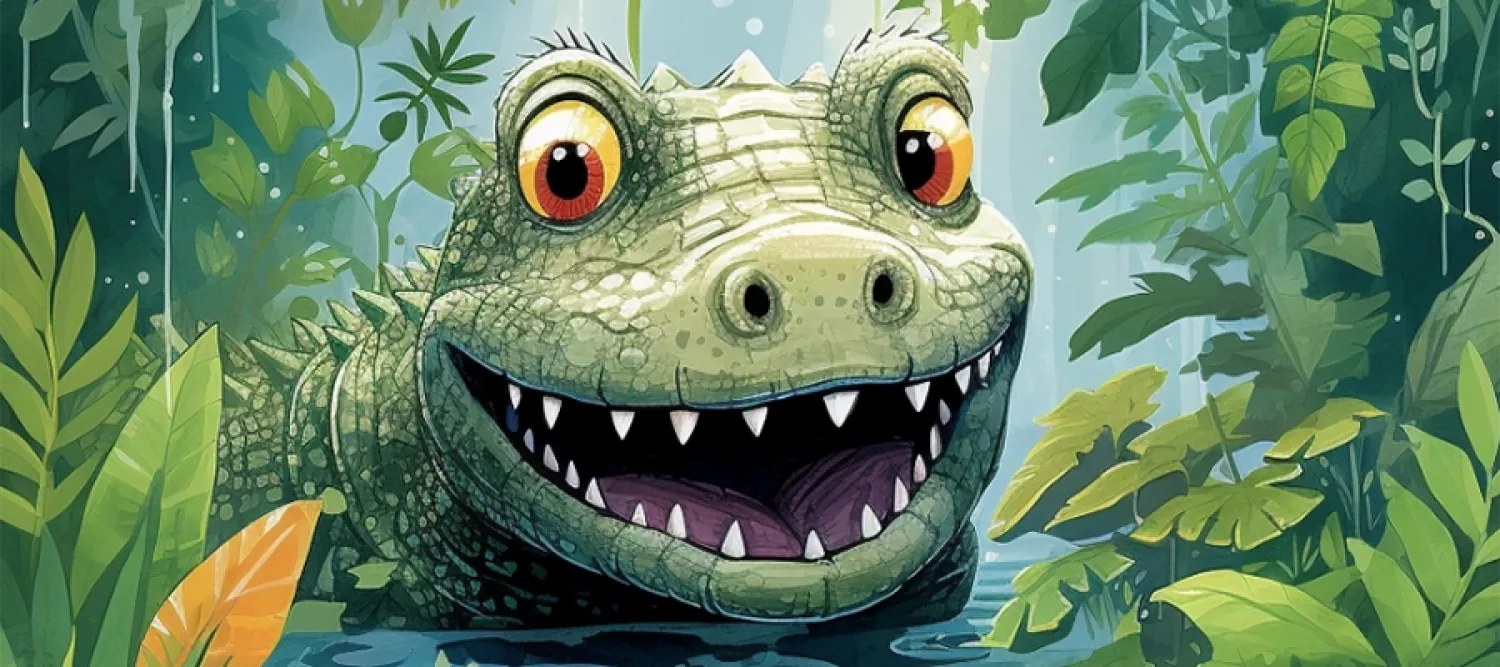
Addiewell Primary School
Classroom vs crocodile enclosure — the results were surprising
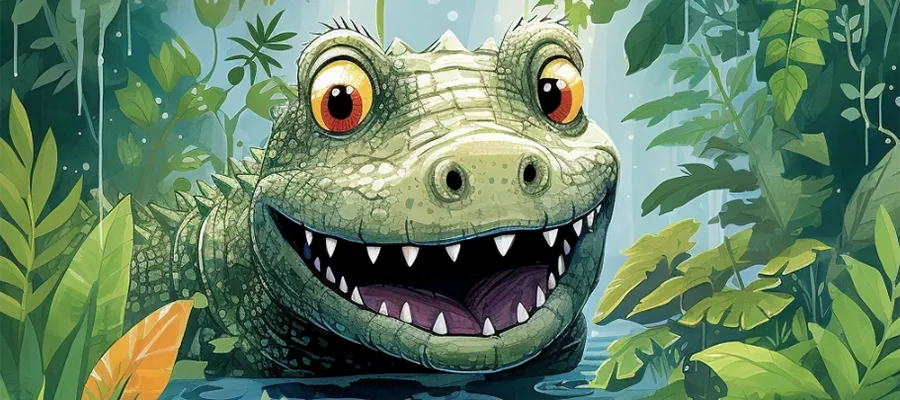
Five Sisters Zoo, West Lothian — comparison site for the experiment
In a fascinating experiment, a group of primary school children compared data from their classroom environment with that in the crocodile enclosure at Five Sisters Zoo in West Lothian. The results were surprising, to say the least.
The project was initiated by the children themselves, who were curious about the differences between their classroom and the natural habitat of crocodiles. With help from their teacher and zoo staff, they collected data on temperature, humidity, light intensity, and air quality in both locations.
They discovered that the crocodile enclosure was significantly warmer and more humid than their classroom — but also that the air quality was better, with lower CO₂ levels. One of the most striking findings was the difference in light intensity, which prompted the children to question whether their own classroom environment was affecting their concentration and learning.
The experiment highlighted the importance of indoor environmental quality for learners — and showed that genuine scientific enquiry can start with a question as simple as “is our classroom like a crocodile’s home?”
Cramond Primary School
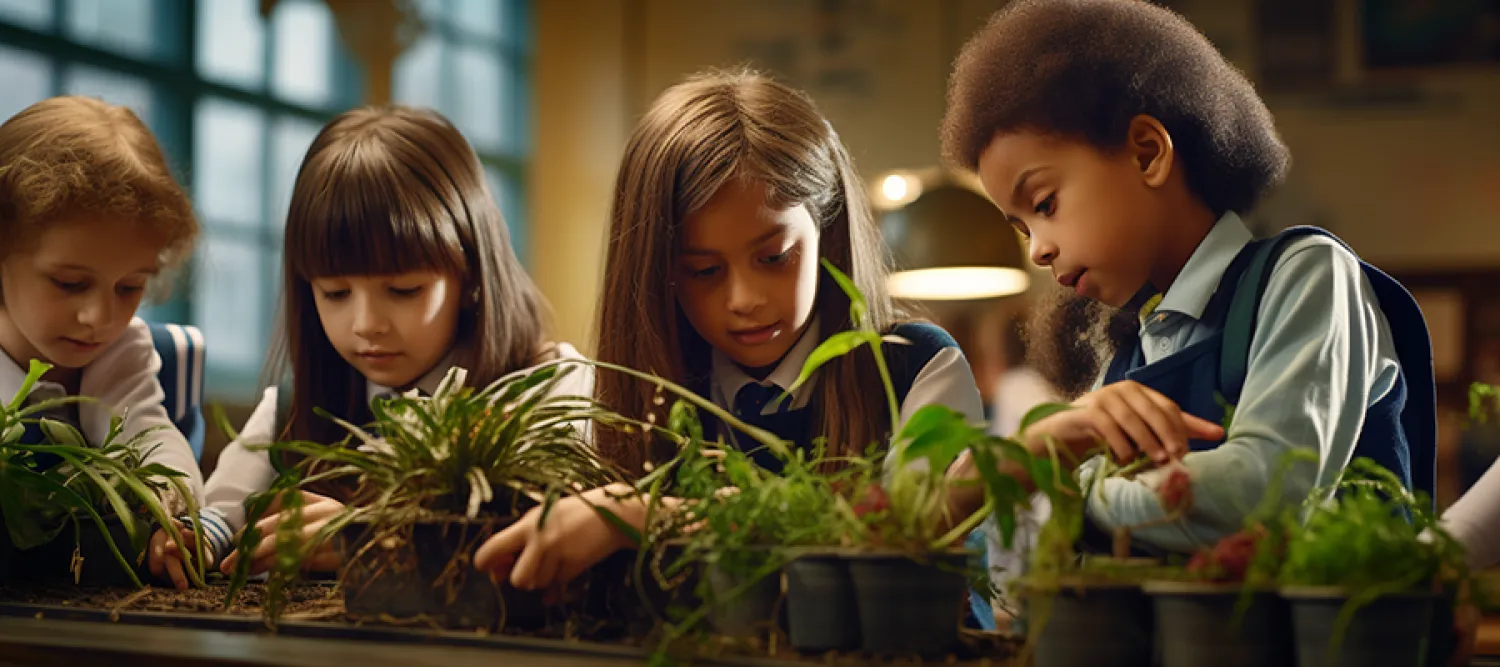
P6 learners investigate and improve their classroom environment
P6 learners investigating their classroom environment using sensor data
What happens when you give P6 learners the latest indoor environment sensors and ask them to improve their classroom? Cramond Primary found out.
Learners embarked on one of the lessons from the IOT in Schools project — a narrative called The Class that Fell Asleep. Over several weeks they investigated their classroom environment, focusing on temperature, humidity, CO₂ and light levels.
They were introduced to the PPDAC (Problem, Planning, Data, Analysis, Conclusions) enquiry cycle, which helped them structure their investigation and propose practical solutions for improving their classroom environment.
This pilot demonstrated that primary learners could engage meaningfully with a full data investigation cycle using real sensor data — a finding that became central to the wider project’s design.
Newbattle High School
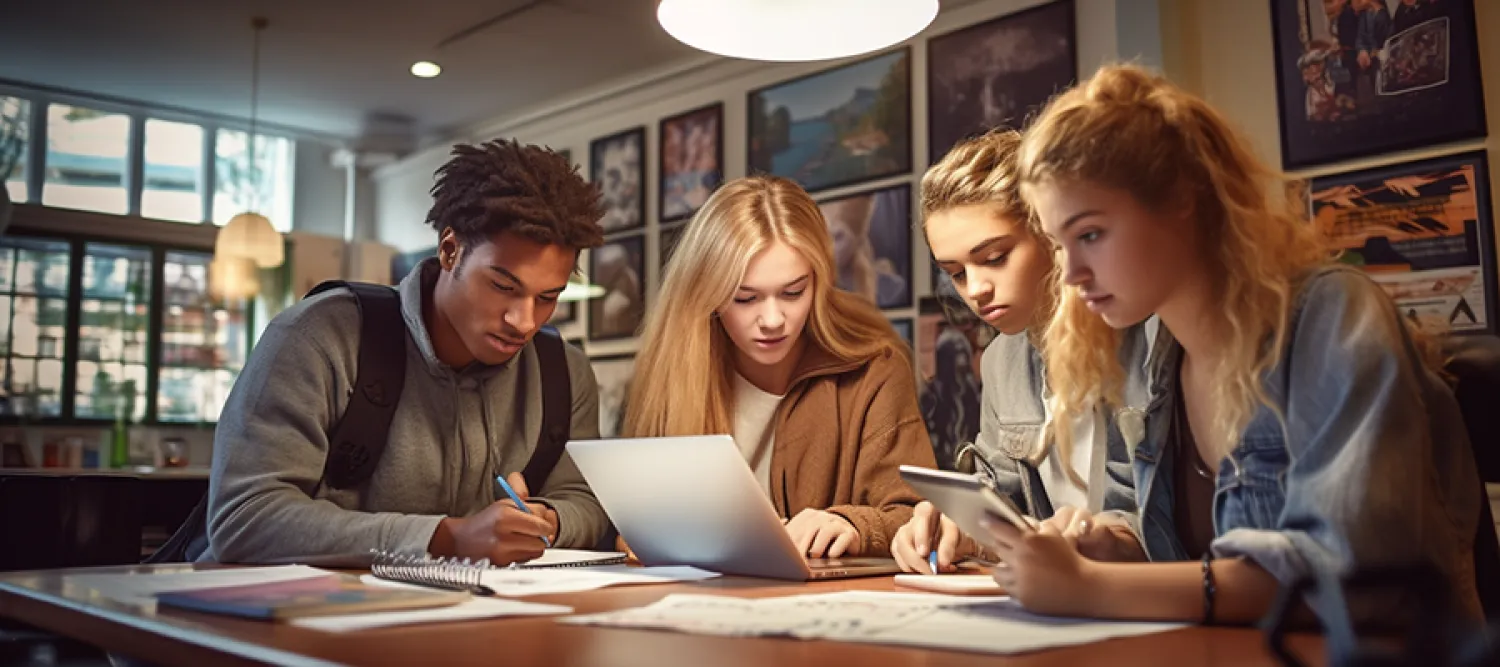
A Digital Centre of Excellence — S3 learners solve real building problems
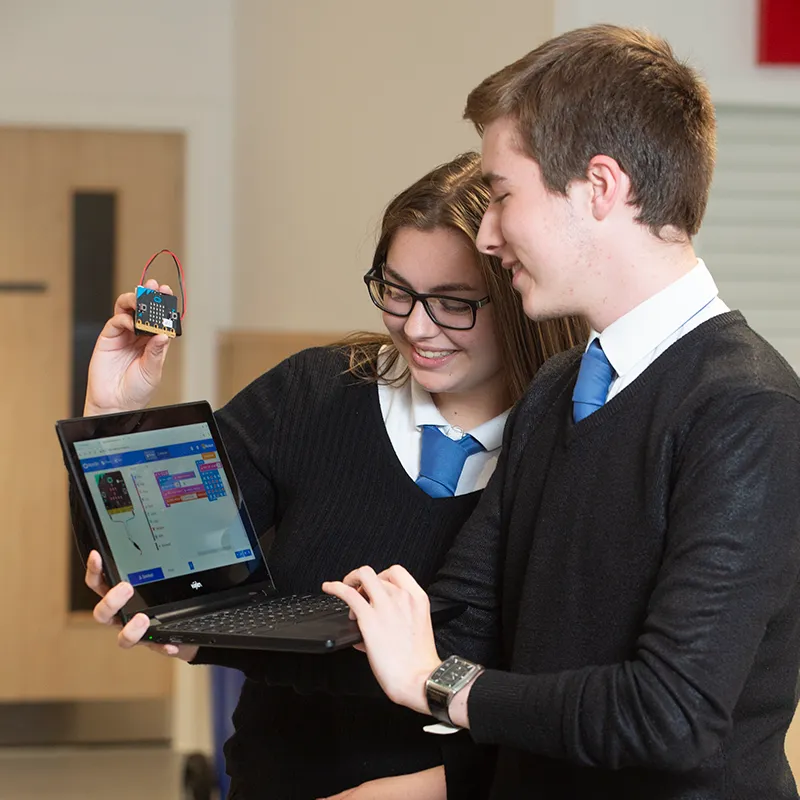
S3 learners exploring sensor data on Chromebooks
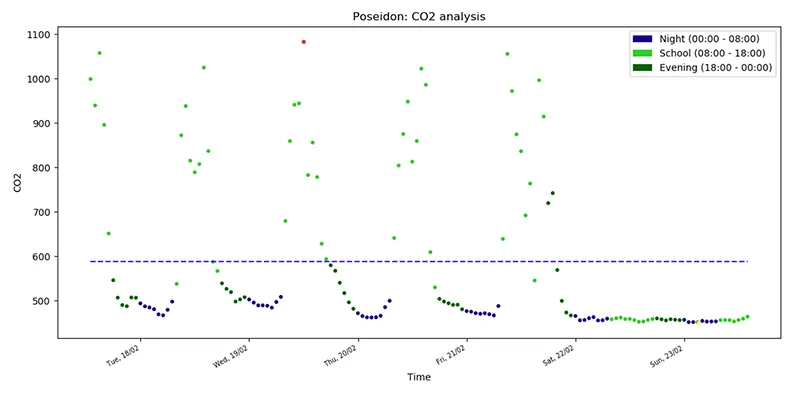
CO₂ levels plotted by S3 learners in the Maths classrooms
The University of Edinburgh partnered with Midlothian Council to support the development of a Digital Centre of Excellence in Newbattle High School. Professor Judy Robertson and her team from Moray House School of Education and Sport led several projects during the transition to a new school building, building capacity in learners, teachers and the wider community.
The Data Technology Team at the University became involved shortly after the new building opened, testing the latest LoRaWAN (Long Range Wide Area Network) technology in learners’ hands. S3 pupils were given sensors — built by university engineers — to measure light, temperature, air pressure, humidity, CO₂ and sound.
Supported by students from the School of Informatics, the S3 computing class investigated real problems they identified with the new building:
- Temperature gradients across English classrooms caused by the rising sun
- CO₂ levels in Maths classrooms
- Sound levels in CDT workshops
This early work by learners, students and teachers directly shaped the design of the IOT in Schools project as it grew to hundreds of schools.

Roslin Primary School
Data explorers detect a blip — and trace it to a Tongan volcano
The atmospheric pressure blip that sparked a global investigation
The University of Edinburgh’s involvement in Roslin Primary School began in 2019 through teacher Colin Burt‘s passion for integrating data literacy across his teaching. Colin had already developed a team of enthusiastic P5 learners as Data Explorers, and they embraced the newly developed indoor environment lessons with energy.
Their learning demonstrated a deep understanding of using sensor data to investigate potential improvements to their learning environment. The data technology team tested one of their newly acquired Air Quality Monitors on the school grounds, and the Data Explorers negotiated with the school janitor to mount it in the school garden.
Then something unexpected happened — a blip appeared on their atmospheric pressure monitor. The children were determined to find out what caused it. Their investigation led them to connect the anomaly to the Hunga Tonga–Hunga Haʻapai volcanic eruption — a massive event on the other side of the world whose pressure wave was detectable on a sensor in a school garden in Midlothian.
It remains one of the most remarkable examples of what can happen when curious young learners have access to real-time environmental data.
Published 30 June 2026 | Contact us