


Teachers in our schools, supported by the IOT in Schools and Data Education in Schools teams, have created these lesson guides to use with the sensors.
About this guide
This is an introduction for teachers in City of Edinburgh, East Lothian, Fife, Midlothian, Scottish Borders and West Lothian Council areas who have just received their sensors from the IOT in Schools project. Watch this 10-minute video before getting started with your class.
Video introduction
Support
Contact your own Digital Learning team or the IOT in Schools team at IOT@ed.ac.uk for any support you need.

Synopsis
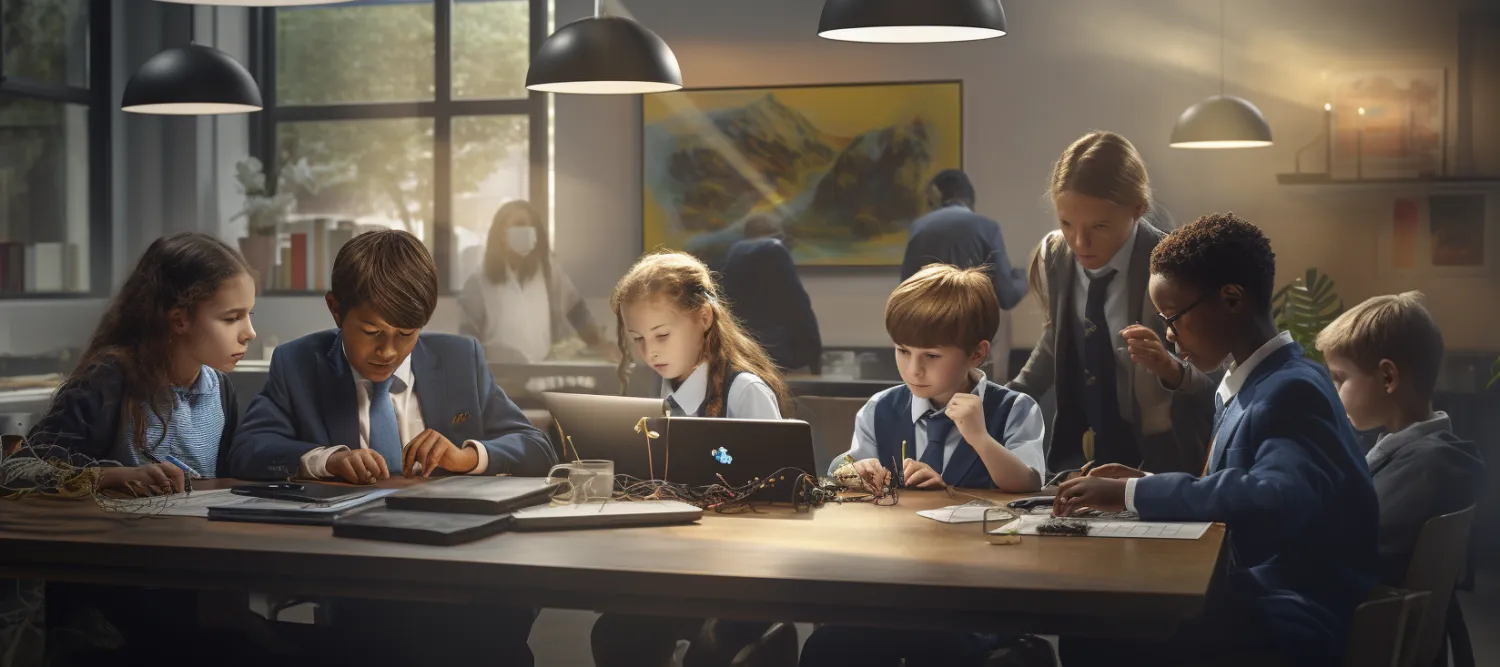
Learners investigate how environmental factors — CO₂, temperature, humidity and light — affect their capacity to learn. Using a classroom sensor and the PPDAC enquiry cycle, they gather real data, analyse it over time, propose improvements, and test interventions such as opening windows, adjusting lighting, and introducing plants.
Learning objectives
- Develop scientific inquiry and investigative skills
- Introduce concepts about data and its use in problem-solving
- Raise awareness of how sensors gather environmental data
- Analyse, interpret, evaluate and present scientific findings
Activities
- 1The Class that Kept Falling Asleep — scene-setting story
- 2Investigating environmental factors
- 3How sensors capture data about buildings
- 4Investigating our learning environment (PPDAC)
- 5Recording ‘Learning State’ traffic-light ratings
- 6Analysing the sensor dashboard
- 7Changing our learning environment
- 8Extension: Can plants improve air quality?
- 9Drawing conclusions
- 10Making a presentation
- 11Extension activities
Duration
Longitudinal study — minimum 12 weeks recommended. A few minutes of data review each week, with longer sessions for analysis activities.
Curriculum areas
- Science: Scientific inquiry, environmental monitoring
- Maths / Numeracy: MNU 2-20b, MTH 2-21b — data collection, graphing, statistics
- Technologies: TCH 02-02a — digital skills
- Literacy: LIT 2-15a — note-taking and communication
Downloads
For the PowerPoint version of the presentation email IOT@ed.ac.uk
Full guide
View all activities on UoE site →
Synopsis
This guide focuses specifically on CO₂ — what it is, what causes it to rise and fall in a classroom, and how elevated levels affect learners’ concentration and wellbeing. Learners use sensor data to investigate CO₂ patterns throughout the school day and propose evidence-based solutions.
Curriculum areas
- Science — environmental monitoring and investigation
- Numeracy — reading and interpreting line graphs, identifying trends
- Technologies — using digital dashboards and data tools
Downloads
Full guide
View full guide on UoE site →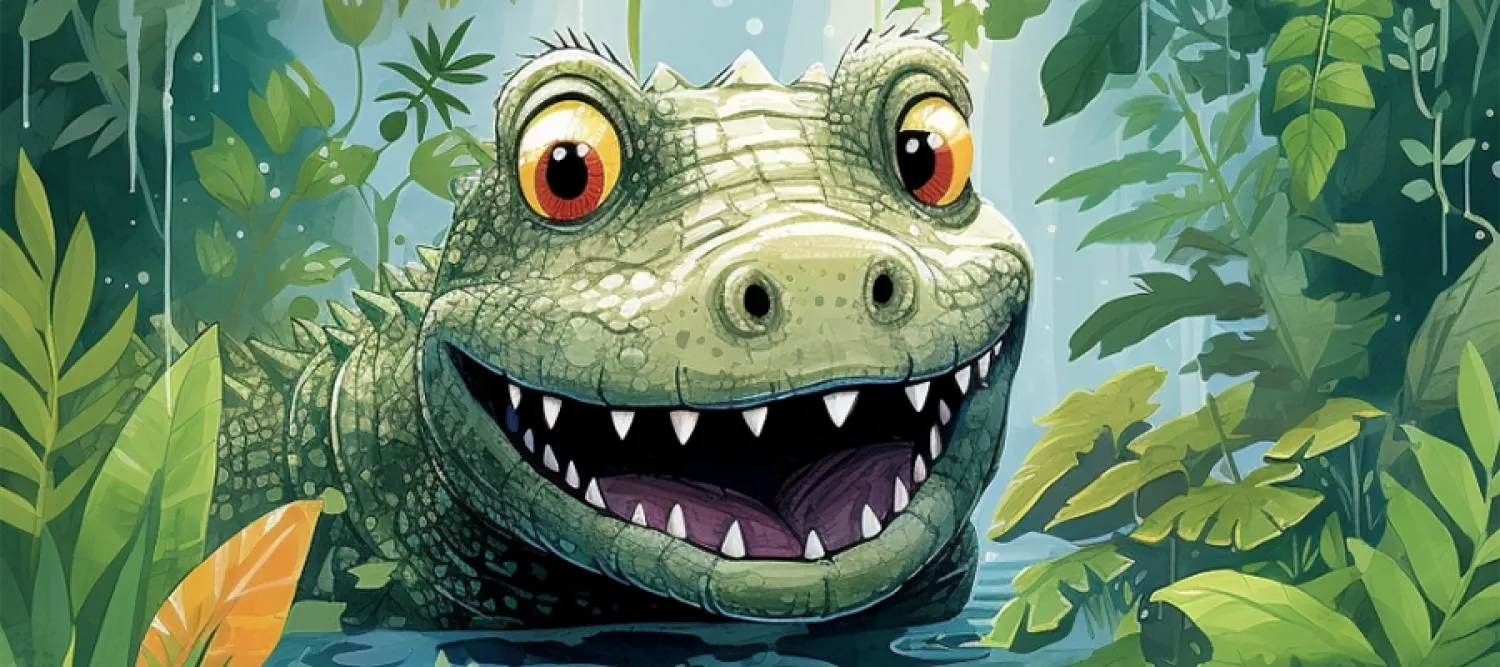
Synopsis
Created by teachers piloting the IOT in Schools project, this guide uses the engaging context of a crocodile enclosure to compare environmental data from two very different locations. Learners investigate what crocodiles need to survive and compare this with their own classroom data — exploring temperature, humidity and CO₂ across both environments.
This guide was directly inspired by the Addiewell Primary School pilot study, which was subsequently featured on STV News.
Why it works
- Real comparison data from a genuine zoo enclosure
- Highly motivating context for primary learners
- Links science, data literacy and numeracy naturally
- Connects to broader biodiversity and habitat topics
Downloads
Full guide
View full guide on UoE site →
Synopsis
Created by teachers piloting the project, this guide uses a mystery-and-deduction structure. Learners are given a set of real sensor data readings and challenged to work out where in the school building the sensor was hidden, based solely on the patterns in the data.
This is an excellent entry-point activity that develops data reasoning skills without requiring prior knowledge of sensor technology.
Why it works
- Immediately engaging problem-solving hook
- No prior data experience required
- Develops reasoning from evidence — a key data literacy skill
- Works well as a standalone lesson or starter activity
Downloads
Full guide
View full guide on UoE site →
Synopsis
Created by teachers piloting the project, this guide introduces learners to the Edinburgh and South East Scotland City Region Deal — the public investment programme that funds the IOT in Schools and Data Education in Schools projects. Learners explore what a City Deal is, why data skills matter for Scotland’s economy, and how the project they are part of fits into a bigger picture.
An excellent guide for connecting classroom data work to real-world policy, economics and digital careers.
Curriculum connections
- Social Studies — understanding public investment and local governance
- Data Education — why data skills matter in the economy
- IDL — connecting technology, economics and citizenship
Downloads
Full guide
View full guide on UoE site →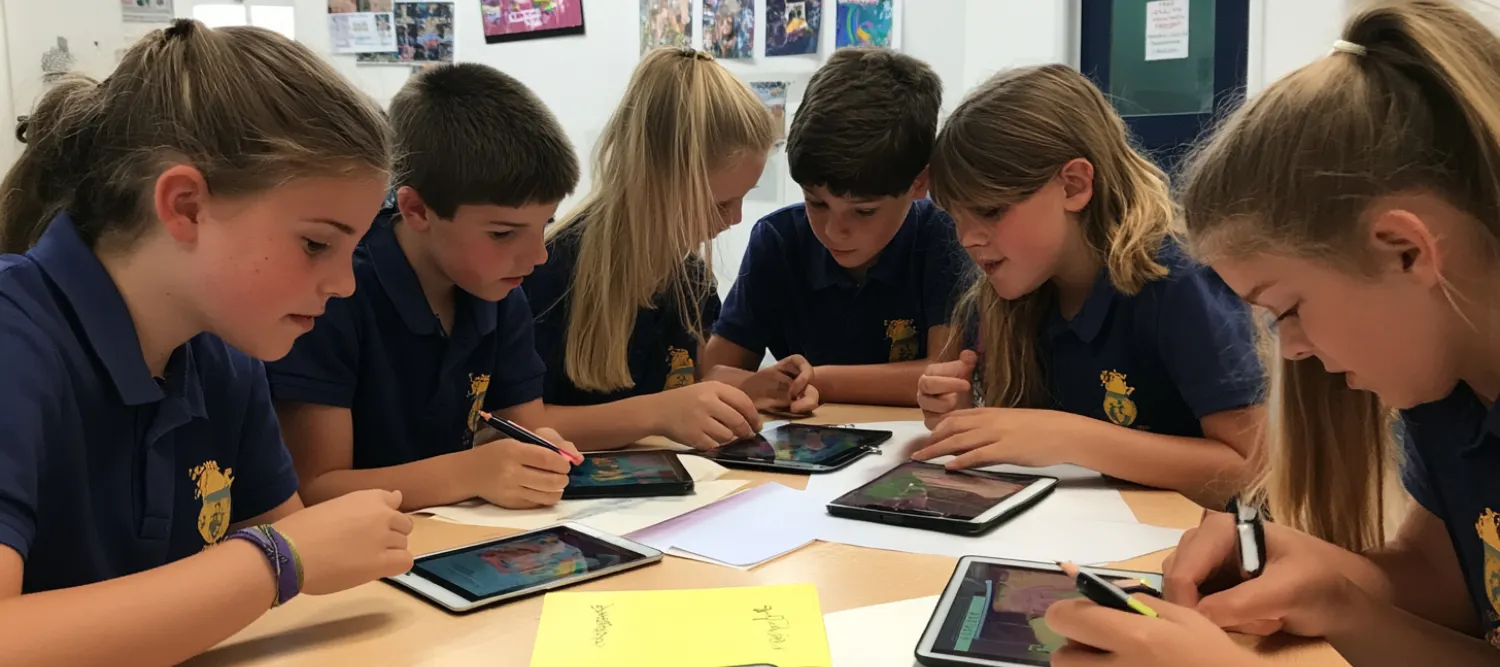
Synopsis
This is not a traditional lesson guide but an ongoing classroom practice — spending a few minutes each week with learners looking at their sensor data, describing what they see, and building up their data vocabulary and environmental understanding over time.
It can be used alongside any of the other guides, or entirely on its own as a low-effort way to keep learners connected to the sensors throughout the year.
Skills developed over time
- Vocabulary for describing data patterns and trends
- Reading and interpreting line graphs
- Connecting classroom observations to data
- Scientific curiosity and questioning
Full guide
View full guide →Need help?
Contact IOT@ed.ac.uk for support with any of the guides or to request additional formats.
Published 30 June 2026 | Contact us